
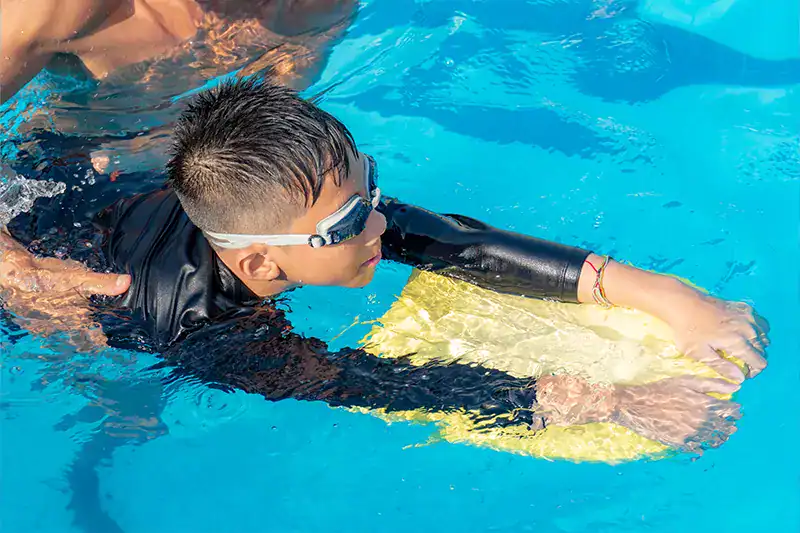
According to water safety experts, the best age to start swim lessons is between 1 and 4 years old. Early exposure builds confidence, reduces drowning risks, and establishes foundational water safety skills. However, children can begin water-acclimation classes with their parents as early as 6 months old.
Building Lifelong Water Safety Skills
Teaching kids to swim is about safety, building confidence, and creating positive experiences around the water. As parents, we want accessible resources that aid learning and development. Swimming is a crucial life skill that enhances K-12 learning by promoting physical health and cognitive growth.
Many parents wonder when their child should take the plunge. Starting too early can frustrate a child, while waiting too long might build a fear of the water. Finding the sweet spot requires understanding your child’s developmental stage and selecting a program that aligns with their needs.
This guide breaks down when children should begin learning this vital skill and what water safety experts say. We will explore the benefits of early swim education, how to find budget-friendly educational solutions, and how to find a reputable swim school.
Why Early Childhood Is the Best Time to Start Swim Lessons
Experts generally recommend starting swim lessons between the ages of 1 and 4. During these early years, children rapidly develop motor skills, coordination, and the ability to follow simple instructions.
Early swim instruction offers several important benefits:
- Helps reduce the risk of drowning
- Builds confidence around water
- Improves balance and coordination
- Encourages listening and social skills
- Creates positive associations with swimming
For infants and young toddlers, parent-child classes focus on water acclimation rather than independent swimming. These sessions help children become comfortable in the water while giving parents the opportunity to actively participate in the learning process.
Developmental Benefits of Toddler Swim Classes
Swim lessons support a child’s development in several ways beyond just water safety.
- Cognitive Development – Following directions from an instructor helps children understand sequencing, listening, and basic problem-solving skills.
- Physical Health – Swimming provides low-impact exercise that strengthens muscles, improves coordination, and supports cardiovascular health.
- Social Skills – Group lessons encourage children to take turns, observe peers, and interact with instructors and classmates.
- Confidence Building – Learning new skills in the water can boost self-esteem and help children become more independent.
Choosing the Right Swim School for Your Child
Finding the right swim school can make a major difference in your child’s experience and progress.
One important factor is water temperature. Young children learn best in warm pools kept between 90°F and 93°F. Comfortable water helps children stay relaxed and focused, rather than becoming distracted by cold temperatures.
Most swim lessons for infants, toddlers, and preschoolers last between 20 and 30 minutes. Shorter sessions help young children stay focused, comfortable, and energized as they learn new water safety skills.
Parents should also evaluate the instructors’ experience and consistency. A strong swim program typically offers:
- Experienced, well-trained instructors
- Low instructor turnover
- Structured lesson plans
- Ongoing communication with parents
- A safe, clean learning environment
Reading reviews, visiting the facility, and observing a class can help you determine whether a program is a good fit for your child.
What to Look for in an Effective Swim Program
Not all swim programs are created equal. When comparing schools, consider the following features:
- Small Class Sizes – Smaller groups allow instructors to give children more personalized attention and reduce distractions during lessons.
- Parent Communication – Good swim schools keep parents informed about progress, challenges, and skill development.
- Engaging Lessons – Interactive games, songs, and age-appropriate activities help keep children interested and motivated.
- Accessible Facilities – Clear directions, organized check-in procedures, and easy-to-navigate facilities make lessons less stressful for both parents and children.
Supporting Your Child’s Swim Education at Home
Parents play an important role in reinforcing swim skills outside the classroom.
Simple activities at home can help children become more comfortable with water, including:
- Practicing bubble blowing in the bathtub
- Gently pouring water over the child’s head
- Encouraging kicking and floating during bath time
- Reviewing pool safety rules regularly
Maintaining open communication with your child’s instructor can also help support steady progress. Ask questions about your child’s strengths, areas for improvement, and ways to practice skills safely at home.
Get Ready to Dive Into Swim Lessons
Starting swim lessons between the ages of 1 and 4 can give children an important head start in water safety, confidence, and physical development.
By choosing a warm, supportive learning environment with experienced instructors and age-appropriate teaching methods, parents can help children build a lifelong comfort with swimming.
Research local swim schools, read parent reviews, and consider scheduling a trial lesson to find the best fit for your child.
FAQs: When to Start Swim Lessons
Q: When can a baby start water acclimation classes?
Babies can begin parent-child water acclimation classes as early as 6 months old. These classes focus on helping infants become comfortable in the water while teaching parents safe holding techniques and basic water safety practices.
Q: Are infant swim lessons budget-friendly for parents?
Many swim schools offer affordable group lessons, flexible pricing plans, and introductory packages. Parent-child classes are often among the most cost-effective options for early swim instruction.
Q: What temperature should a swimming pool be for young children?
Pools designed for infants and toddlers should typically be kept between 90°F and 93°F. Warm water helps young children stay comfortable and focused during lessons.
Q: How long does it take for a child to learn to swim?
Every child progresses at a different pace depending on age, comfort level, and lesson frequency. With consistent weekly lessons, many children show noticeable improvement within six to twelve months.
Q: Can children with a fear of water overcome it through lessons?
Yes. Experienced instructors use gentle techniques, games, and gradual exposure to help children build confidence and become more comfortable in the water over time.
Q: Do parent-child swim classes improve student performance?
Parent-child classes often help children feel more secure and confident in the water, which can improve participation and learning during lessons.
Q: How can parents reinforce swim safety at home?
Parents can establish clear water safety rules, supervise children closely around water, and practice simple skills like bubble blowing and floating during bath time.
Q: What makes Blue Buoy Swim School different from other programs?
Blue Buoy Swim School has served Orange County families since 1956 with warm, temperature-controlled pools and experienced instructors. Their gentle teaching approach has helped generations of children become confident swimmers.
Leave A Comment